
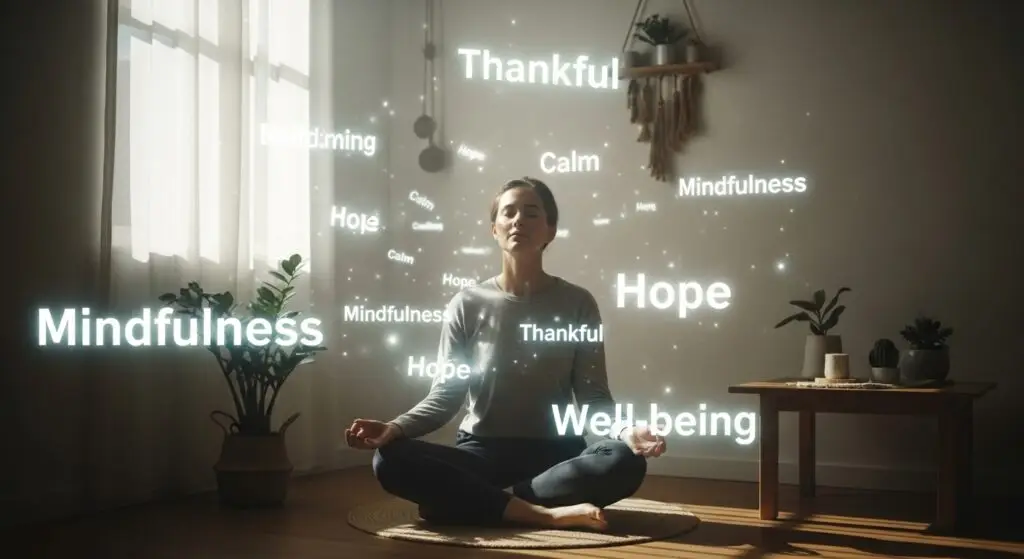
What is Gratitude?
Gratitude is more than just a fleeting feeling; it’s a powerful tool that can transform your mental health. Gratitude, at its core, is the recognition and appreciation of the positive aspects of life, both big and small. It involves acknowledging the goodness in our lives and understanding that these gifts often come from sources outside ourselves. This acknowledgment fosters a sense of connection and interdependence with the world around us. Whether it’s a simple thank you for a small gesture of kindness or a profound appreciation for life’s blessings, gratitude shifts focus from what we lack to what we have, cultivating a mindset that enhances mental and emotional resilience. Research indicates that practicing gratitude regularly can have profound effects on mental health, improving mood, enhancing empathy, increased resilience and reducing stress.
Let’s delve into the historical significance of gratitude, tracing its roots back to ancient philosophies like Stoicism and Buddhism, which emphasized gratitude as a key to a fulfilling life. We’ll then explore modern scientific studies demonstrating gratitude’s benefits, such as enhancing well-being and reducing stress.
Scientific Research on Gratitude
Gratitude has been the subject of numerous scientific studies, revealing its profound impact on mental health. Research published in The Journal of Positive Psychology demonstrates that gratitude can significantly increase happiness and reduce symptoms of depression. Neuroscientific studies show that practicing gratitude can enhance the brain’s dopamine and serotonin levels, which are vital for mood regulation. Gratitude activates areas of the brain associated with dopamine production, the “feel-good” neurotransmitter, enhancing overall emotional health. These findings suggest that gratitude not only improves mental health but also rewires the brain to experience more positive emotions. An excerpt from Robert A. Emmons’ book, Thanks!: How Practicing Gratitude Can Make You Happier, supports this: “Gratitude is not only the greatest of virtues but the parent of all others. It is a powerful catalyst for happiness and a spark that can ignite positive change in our lives.”
Gratitude and Emotional Well-being
Practicing gratitude helps shift focus from negative emotions to positive ones. By acknowledging and appreciating the good in life, you cultivate a mindset that fosters happiness and contentment. Personal stories often reveal how gratitude can alleviate stress and bring a sense of peace and fulfillment. Throughout history, gratitude has been revered as a key component of well-being in various philosophies, from ancient Stoicism to modern psychology. Scientific research supports this, showing that gratitude is linked to increased happiness, reduced stress, and improved mental health. Studies reveal that gratitude can enhance dopamine and serotonin production, which are crucial for mood regulation.
Gratitude Practices for Daily Life
Incorporating gratitude into your daily routine can be as simple as keeping a gratitude journal. However, incorporating gratitude into daily life can be enriched with various practices beyond journaling. Begin your day with a gratitude meditation, focusing on the things you appreciate in your life. This sets a positive tone for the day ahead. Engage in “gratitude walks,” where you consciously appreciate elements of your surroundings, like nature or architecture. Express gratitude actively by writing thank-you notes or sending appreciative messages to friends and family, which strengthens relationships and spreads positivity. Additionally, create a “gratitude jar,” where family members can drop in notes of things they are grateful for, to be read together at the end of the month, fostering a shared appreciation. By writing down things you are grateful for each day, whether big or small. This practice encourages reflection and helps maintain a positive outlook, even during challenging times.
The Social Benefits of Gratitude
Gratitude strengthens relationships by fostering connection and appreciation. Gratitude is a powerful catalyst for transforming relationships and communities. Expressing gratitude to loved ones can deepen bonds and build trust. By fostering empathy and mutual respect, gratitude enhances social bonds, creating a ripple effect of positivity and kindness. When you express gratitude, you acknowledge the efforts and contributions of others, deepening trust and strengthening connections.
In communities, gratitude promotes cooperation and collaboration, as individuals feel valued and motivated to contribute. This sense of appreciation can lead to more cohesive and supportive environments, where people are more willing to help one another and work towards common goals.
Gratitude also encourages inclusivity and understanding, breaking down barriers and fostering a sense of belonging. By appreciating diverse perspectives and contributions, we create spaces where everyone feels seen and valued. This collective gratitude not only enriches individual relationships but also elevates the community as a whole, fostering a culture of gratitude that inspires and uplifts all members.
By embracing gratitude, you not only enhance your own social interactions but also contribute to a more harmonious and connected world.
Gratitude and Resilience
Gratitude serves as a powerful foundation for resilience, offering a mental and emotional buffer against life’s challenges and stressors. Techniques like gratitude meditation can further cultivate a resilient mindset, helping you navigate challenges with grace.
By focusing on what we are thankful for, we cultivate a mindset that emphasizes abundance rather than scarcity, fostering the ability to bounce back from adversity. This shift in perspective enables individuals to approach difficulties with a sense of strength and optimism.
Resilience is not merely about enduring hardships but thriving through them, and gratitude plays a crucial role in this transformation. When gratitude is practiced consistently, it reshapes neural pathways, enhancing emotional regulation and reducing stress. This neuroplasticity underscores the adaptability of the human brain, illustrating how gratitude can fortify our mental fortitude.
Moreover, gratitude enhances resilience by building a supportive network. Expressing appreciation strengthens relationships and creates a sense of community, providing a safety net of emotional support during tough times. This interconnectedness not only aids personal growth but also encourages a collective resilience, empowering communities to face challenges together.
In essence, gratitude is a keystone habit that unlocks resilience, enabling us to navigate life’s complexities with grace and confidence. By embracing gratitude, we don’t just survive; we thrive, turning obstacles into opportunities for growth and transformation.
For those interested in exploring gratitude further, consider these insightful reads:
Books and Resources on Gratitude
- The Power of Now by Eckhart Tolle: Explores mindfulness and presence, emphasizing gratitude’s role in living a fulfilled life.
- Gratitude by Oliver Sacks: A reflection on the author’s experiences with gratitude and his profound appreciation for life.
- The Gratitude Diaries by Janice Kaplan: Chronicles a year of living gratefully and the positive changes it brought.
- Thanks!: How Practicing Gratitude Can Make You Happier by Robert A. Emmons: Discusses scientific findings on gratitude and practical ways to incorporate it.
- The Gifts of Imperfection by Brené Brown: Offers insights on embracing vulnerability and gratitude as paths to wholehearted living.
- The Art of Happiness by Dalai Lama: Shares teachings on happiness, with gratitude as a central theme.
- The Book of Joy by Dalai Lama and Desmond Tutu: Explores joy and gratitude through dialogues between these spiritual leaders.
- Radical Acceptance by Tara Brach: Encourages self-compassion and gratitude as keys to emotional freedom.
Gratitude as a journey
As we journey through life, gratitude emerges as a beacon of light, illuminating the path to a richer, more fulfilling existence. It is a practice that transcends the mundane, inviting us to celebrate the beauty and abundance that surrounds us. By embracing gratitude, we unlock the potential to transform our lives, fostering resilience, enhancing relationships, and nurturing a profound sense of well-being.
Gratitude is not merely an emotion; it is a way of being, a lens through which we view the world. It empowers us to transcend challenges, turning adversity into opportunity and despair into hope. As we cultivate gratitude, we cultivate a life of purpose and connection, where every moment is cherished and every interaction is meaningful.
Let us commit to making gratitude a cornerstone of our daily lives, not just as a fleeting thought but as a continuous practice. In doing so, we not only elevate our own existence but also inspire those around us to embrace this transformative power. Together, let us create a world where gratitude is the norm, where kindness and appreciation are the foundations upon which we build our communities.
Embrace gratitude with an open heart and witness the profound impact it can have on your life and the lives of others. Embrace the power of gratitude and experience its profound effects on your life. Let it be the legacy you leave, a testament to the power of a grateful heart.